Questions to Ask a Home Builder in Nevada County

A homeowner’s guide to hiring a contractor you can trust in Grass Valley, Nevada City, and Nevada County
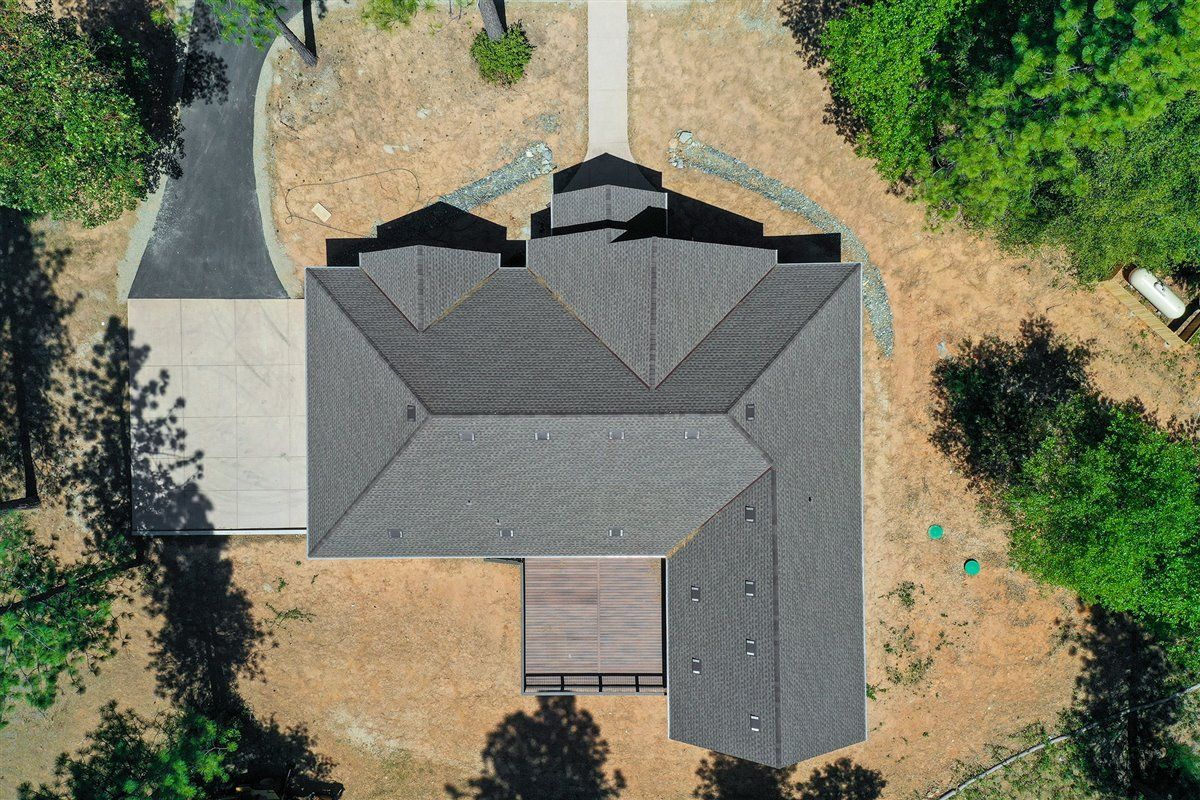
Questions to Ask a Home Builder in Nevada County
A homeowner’s guide to comparing contractors, spotting vague answers, and hiring someone who will follow through
By Matthew Sutherlin | Green Bee Construction Inc | Serving Grass Valley, Nevada City, and Nevada County
Hiring a home builder or general contractor in Nevada County is not just a question of price. It is a question of trust.
Most homeowners already know they should ask for a license number, references, and a bid. Those are good questions. But they do not tell you the whole story. The better questions reveal how the builder communicates, who is actually managing the job, how permits are handled, what happens when the project changes, and whether the builder will answer the phone after the final payment.
If you are comparing contractors in Grass Valley, Nevada City, Alta Sierra, Lake Wildwood, Penn Valley, Lake of the Pines, or anywhere in the foothills, this guide will help you ask sharper questions before you sign. If you are looking for a local builder, Green Bee also has a dedicated page for homeowners searching for a Grass Valley general contractor.
The Best Questions Reveal More Than the Price
A polished answer does not matter much if there is no process behind it.
You are listening for how clearly a builder can explain the project before there is pressure. A good builder should be able to walk you through licensing, insurance, permitting, schedule, budget, change orders, site supervision, subcontractors, and warranty without sounding evasive or annoyed.
The California Contractors State License Board recommends checking a contractor’s license, confirming who will obtain permits, and asking for current contact information for the contractor, subcontractors, and suppliers. Those are not small administrative details. They are trust filters.
A builder who gets vague before the contract usually does not get clearer after demolition starts.
Here is the question behind every question: does this person have a clear way of doing business, or are they making it up as they go?
Questions to Ask a Home Builder Before You Hire Them
Use these questions in your first or second serious conversation. You do not need to interrogate anyone. Just ask directly and listen carefully.
1. Are you licensed, insured, and in good standing?
Ask for the contractor’s license number, then verify it with CSLB. Do not skip this because someone came recommended.
For California residential construction, licensing is not a bonus. It is the floor. You also want to ask about general liability insurance and workers’ compensation coverage. If a builder has employees, a crew, or subcontractors working on your property, insurance matters.
What to listen for: A clear license number, no hesitation, and a willingness to have you verify it yourself.
2. Who will manage my project day to day?
This is one of the most important questions you can ask.
Some homeowners assume the person selling the job will be on site every day. That is not always true, and it does not have to be true for the project to run well. But the builder should explain the structure clearly.
At Green Bee Construction Inc, Matthew Sutherlin is the president, general contractor, accountable owner, operational manager, permitting strategy lead, and client relationship lead. Our superintendent is the daily site lead. Our skilled crew and vetted subcontractors perform the work. That structure gives the client owner-level accountability and steady daily execution.
What to listen for: A clear answer about who runs the site, who communicates with you, and who has decision authority.
3. How do you handle permits?
Nevada County is not a place where you want casual permitting advice.
A custom home, addition, ADU, remodel, deck, or fire rebuild can involve building permits, planning questions, septic considerations, defensible space, fire zone requirements, drainage, driveway access, utility coordination, and inspections. The Nevada County Building Department allows homeowners and contractors to apply for permits, schedule inspections, and check permit status through its Citizen Access Portal.
Ask the builder what permits are likely required, who will prepare the submittal, who will respond to corrections, and how inspections are scheduled. A builder does not need to know every answer before plans exist. But they should know the process.
What to listen for: A practical explanation of the permit path, not a casual “we’ll figure it out later.”
If your project is an accessory dwelling unit, permitting and site planning become especially important. You can read more about Green Bee’s local ADU process on our ADU builder in Grass Valley page.
4. What local site issues do you see on my property?
A good Nevada County builder looks past the house.
They should be thinking about slope, drainage, fire access, tree work, septic location, winter weather, utility runs, soil conditions, staging, and driveway access. A flat lot in town is different from a sloped parcel outside Nevada City. A Lake Wildwood project has different constraints than a rural Grass Valley property with a long driveway and limited equipment access.
The first site walk should surface these issues early. That is where expensive surprises get smaller.
What to listen for: Specific observations about your property, not generic comments that could apply anywhere.
5. How do you build the estimate?
A low number without detail is not a gift. It is a risk.
Ask what is included, what is excluded, what is an allowance, and what is unknown. Ask whether the estimate includes site work, permit fees, engineering, utility coordination, finish materials, cleanup, and contingency.
Two bids can look far apart because one builder included the real work and the other left it for change orders. You are not just comparing totals. You are comparing assumptions.
What to listen for: A builder who can explain the number, the unknowns, and the places where the budget could move.
6. How do change orders work?
Every meaningful construction project changes somewhere.
The issue is not whether change orders happen. The issue is whether they are documented, priced, approved, and communicated before the work moves forward.
Ask what triggers a change order, how pricing is presented, who approves it, and how it affects the schedule. If the answer is casual, the project may become casual too.
What to listen for: A written process. A verbal “don’t worry about it” is not enough.
7. What is your communication rhythm?
This is where many contractor horror stories start.
Ask how often you will receive updates, who you call with questions, how decisions are documented, and what happens when there is a delay. You want a builder who gives you straight information early, not cheerful silence until something becomes expensive.
In construction, no news is not always good news. Sometimes it means nobody has a clean answer yet.
What to listen for: A regular rhythm for updates and a clear point of contact.
8. Which parts of the work are done by your crew, and which are done by subcontractors?
Subcontractors are not a red flag. Good subcontractors are essential.
The question is whether the builder has a vetted team and a clear way to coordinate them. Electrical, plumbing, HVAC, roofing, drywall, tile, excavation, and specialty trades all need to be sequenced correctly. In Nevada County, where many projects involve slope, access, fire requirements, or older homes, coordination matters as much as craftsmanship.
Ask how long the builder has worked with their key trades. Ask who checks their work. Ask how issues get resolved.
What to listen for: A builder who knows their trades, trusts them, and still inspects the work.
9. What happens after the project is finished?
This is the question homeowners are often afraid to ask.
Ask what warranty is provided in writing, what is covered, what is not covered, how warranty claims are submitted, and how quickly the builder typically responds. A warranty is only useful if the builder has a real process for standing behind the work.
That is one reason Green Bee offers a 5-year extended structural warranty. Homeowners deserve to know what happens after the job is complete, not just what happens before the contract is signed.
What to listen for: A written warranty, a clear response process, and a builder who does not get defensive when you ask.
10. Can you tell me when my idea does not make sense?
This is underrated.
A trustworthy builder should be willing to say no. Not every addition pencils. Not every deck belongs where the homeowner first imagines it. Not every finish upgrade is worth the money. Not every timeline is realistic.
If a contractor says yes to everything in the first meeting, they may be trying to win the job instead of protect the project.
What to listen for: Honest pushback when an idea creates cost, risk, delay, or a worse final result.
Printable Contractor Interview Checklist
Use this checklist when you talk with builders. You can print it, copy it into your notes, or bring it to a site walk.
- License: What is your contractor license number?
- Insurance: Do you carry general liability and workers’ compensation coverage?
- Project fit: Have you built projects like mine in Nevada County?
- Permits: Who handles permit applications, corrections, and inspections?
- Site management: Who will be the daily site lead?
- Owner accountability: Who owns final decisions and client communication?
- Estimate: What is included, excluded, and listed as an allowance?
- Unknowns: What parts of the project could change the budget?
- Change orders: How are changes priced, approved, and documented?
- Schedule: What could realistically affect the timeline?
- Subcontractors: Which trades are subcontracted, and how are they managed?
- Communication: How often will I receive updates?
- Problems: What happens when something unexpected comes up?
- Warranty: What warranty do you provide, and how do warranty requests get handled?
- References: Can I speak with recent clients whose projects were similar to mine?
The goal is not to catch a builder off guard. The goal is to see whether they have thoughtful, direct answers.
Red Flags to Watch For
Most bad fits show themselves early. The trouble is that homeowners often explain them away because they want the project to move.
Watch for these signs:
- Vague license or insurance answers. A legitimate contractor should not hesitate to provide basic documentation.
- No clear site lead. If nobody owns day-to-day execution, the homeowner often becomes the project manager by default.
- Permit shortcuts. Be careful when someone says a permit is not needed without checking the actual scope and jurisdiction.
- Loose bids. A number without inclusions, exclusions, and allowances is not enough to compare.
- Pressure to decide quickly. Good builders are busy, but they should not pressure you into a major decision.
- Poor follow-up before signing. If they do not return calls when they are trying to win the job, do not expect better after the contract is signed.
- No written warranty process. A verbal promise is not a warranty plan.
The goal is not to find a perfect contractor. Construction is too real for perfect. The goal is to find a builder with a clear process, steady communication, and the character to solve problems honestly.
If you want a broader overview of common homeowner questions before starting a project, Green Bee also keeps a construction FAQ page with practical answers.
How This Applies in Nevada County
Building in Nevada County has its own rhythm.
A contractor who mainly works in flat suburban neighborhoods may miss things that matter here. Septic capacity can shape an ADU or addition. Fire zones can affect exterior materials, vents, decks, and defensible space decisions. A steep driveway can change delivery, excavation, concrete, and framing logistics. Winter weather can affect sequencing. Rural utility access can change both cost and schedule.
That is why local experience matters.
The right builder should be able to talk through practical Nevada County questions:
- Septic: Will the project add bedrooms or increase system demand?
- Fire: Is the parcel in a higher fire-risk area, and how does that affect materials?
- Drainage: Where does water go during a heavy winter storm?
- Access: Can trucks, dumpsters, concrete, and equipment reach the work area safely?
- Permits: Which department reviews the project, and what information will they need?
- Inspections: How will inspection scheduling be handled once the permit is active?
You do not need to know all of this before hiring. That is part of why you hire a builder. But your builder should be thinking about it from the beginning.
For homeowners comparing builders outside Grass Valley, Green Bee also serves nearby communities including Nevada City, Penn Valley, Lake Wildwood, Lake of the Pines, and Alta Sierra.
Working with Green Bee Construction Inc
Green Bee Construction Inc is a licensed California general contractor based in Grass Valley, Nevada County, California. CSL #935362.
Our work includes new custom homes, ADUs, additions, remodeling projects, and decks across Nevada County and nearby Placer County communities. We have spent twenty years learning how local projects actually move from idea to finished structure.
Matthew Sutherlin is the accountable owner and operational manager on every Green Bee project. He leads the client relationship, project setup, permitting strategy, subcontractor coordination, milestone reviews, quality standards, and financial oversight. Our superintendent manages daily site execution. Our skilled crew and vetted subcontractors perform the work.
That matters because homeowners need both things: someone accountable at the owner level and someone steady on site keeping the work moving.
You can view examples of completed work in the Green Bee project gallery. You can also learn more about our company, values, and local background on the About Green Bee Construction page.
We also back our work with a 5-year extended structural warranty. Most builders talk about standing behind the work. We prefer to write it down.
Frequently Asked Questions
What questions should I ask a home builder before hiring?
Ask about licensing, insurance, permits, site management, communication, estimates, change orders, subcontractors, warranties, and local experience. In Nevada County, also ask about septic, fire requirements, drainage, slope, driveway access, and inspection coordination. The best questions show you how the builder thinks before the project gets complicated.
How do I know if a contractor is licensed in California?
Ask for the contractor’s license number and verify it through the Contractors State License Board. You should confirm the license is current and in good standing before signing a contract.
Should my builder handle permits in Nevada County?
For most substantial projects, yes. Your builder should either handle the permit process directly or clearly explain who is responsible for the submittal, corrections, and inspections. Nevada County offers online permit applications, inspection scheduling, and permit status tools through its Citizen Access Portal.
Who should be on site during my project?
There should be a clearly named daily site lead. That may be the builder, a superintendent, or a project manager, depending on the company. At Green Bee, the superintendent is the daily site lead, while Matthew provides owner-level accountability, client communication, permitting strategy, quality standards, and financial oversight.
What should I ask about a builder’s warranty?
Ask what is covered, how long coverage lasts, what is excluded, how warranty requests are submitted, and who responds after the project is complete. A warranty is only useful if the builder has a clear process and the character to follow through when the work is no longer new.
The Takeaway
The builder you hire will affect your money, your schedule, your stress level, and the home your family lives in for years.
So ask the direct questions. Ask who runs the job. Ask how permits are handled. Ask what happens when something goes wrong. Ask who answers the phone after the last check clears.
If you are planning a custom home, ADU, addition, remodel, deck, or fire rebuild in Nevada County and want a straight conversation before you commit, contact Green Bee Construction. You can also call 530-575-1700 to start the conversation.
A good builder does not just give you a number. He shows you how the project will be handled when the easy part is over.
Share this!